
Sweet Potato Mac and Cheese
This post may contain affiliate links. Please read our disclosure policy.
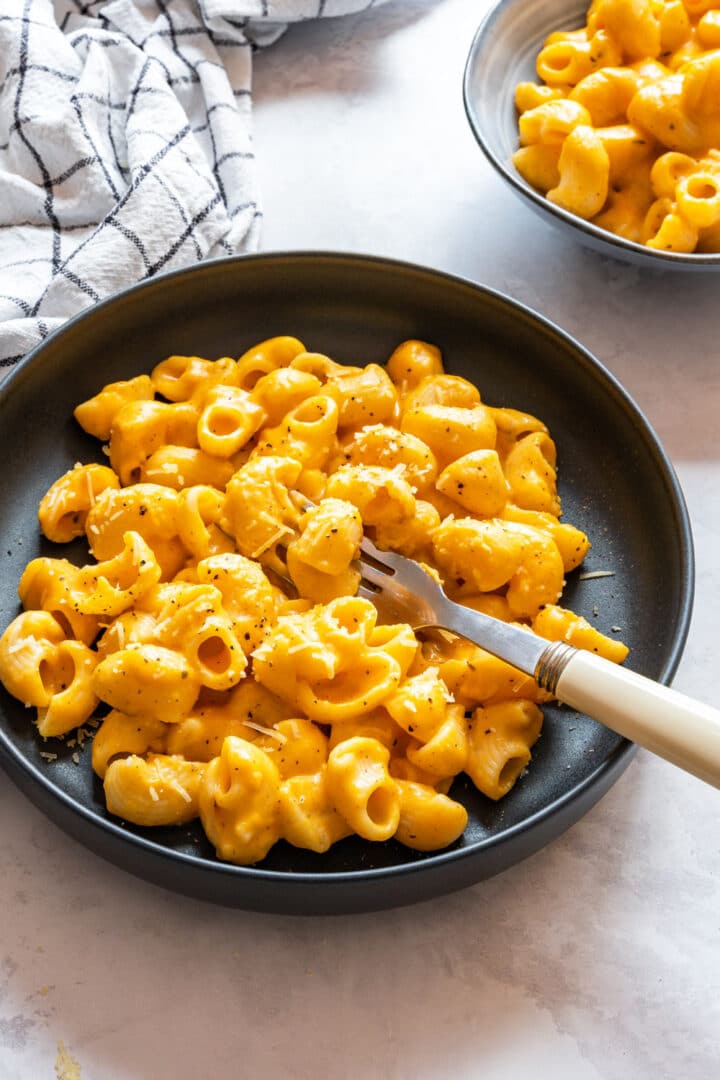
This stovetop sweet potato mac and cheese uses smooth sweet potato purée to thicken the sauce, so there is no roux to make. You can taste the sweet potato and it brings some natural sweetness, but sharp cheddar, sage, thyme and paprika keep the finished dish savory.
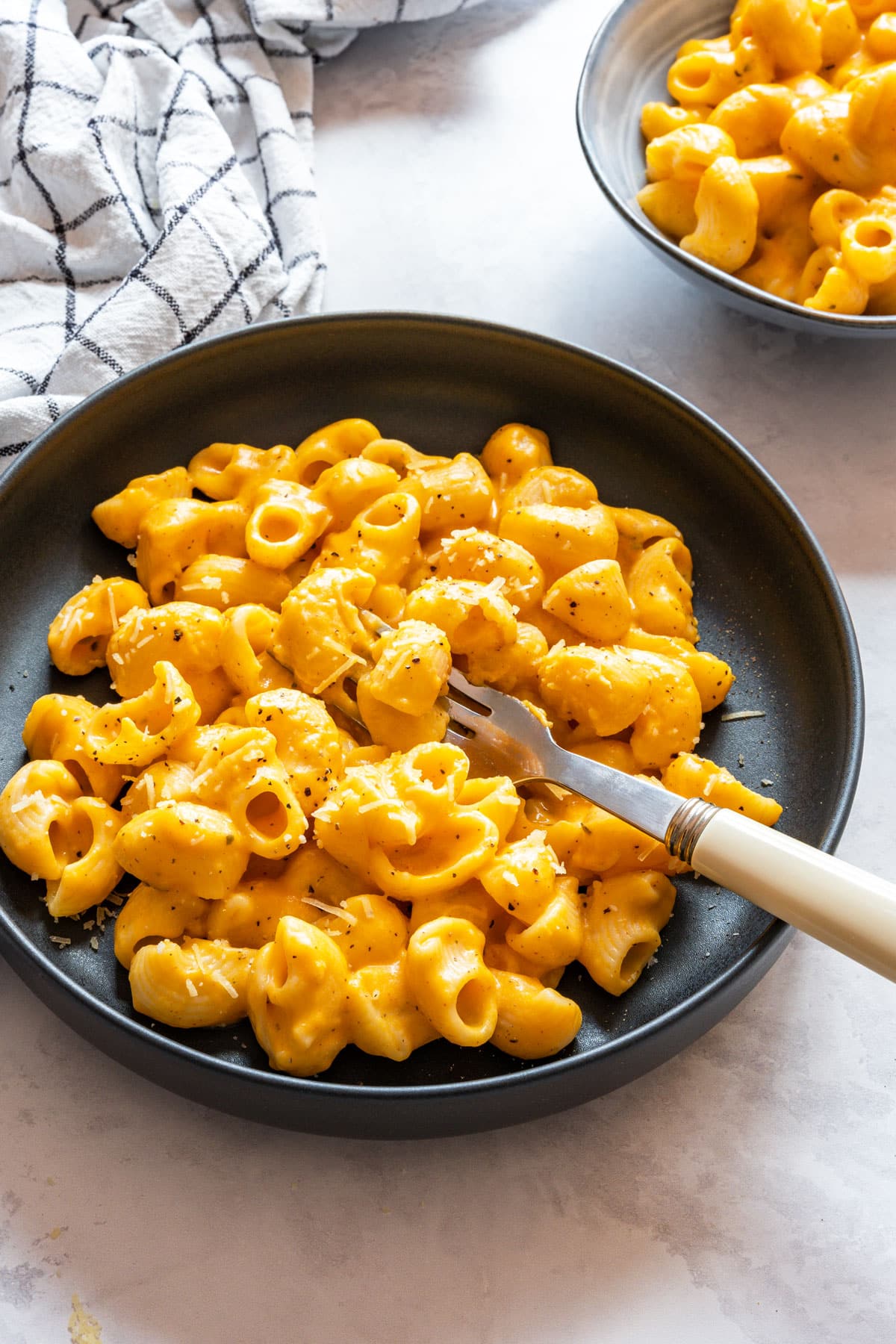
My sister makes sweet potato mac and cheese regularly, which inspired me to make my own stovetop version. I make the sauce in the same saucepan the sweet potato cooked in, so you don’t need a separate pan for the sauce.
Ingredients and substitutions
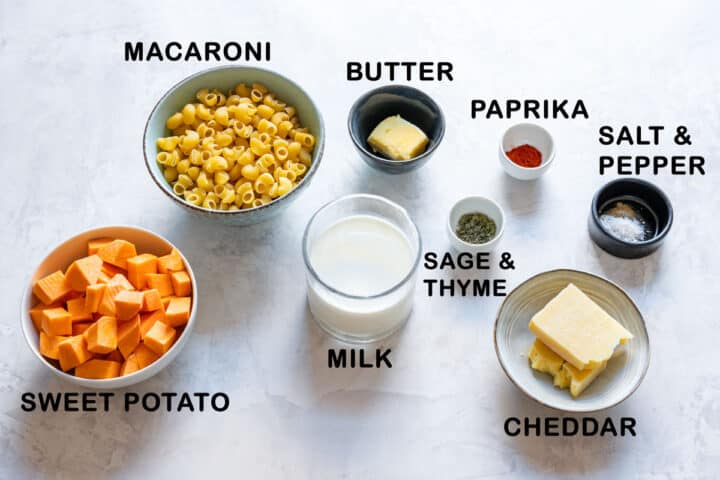
Sweet potato: I start with 2 cups of peeled and diced sweet potato (280 g), which makes about 1 cup of purée once cooked. Orange-fleshed sweet potatoes are sometimes labeled as yams in U.S. grocery stores. Jewel, Garnet and Beauregard are all good options.
Plain, unsweetened canned sweet potato purée can also be used.
Macaroni: The sauce itself contains no flour, but regular pasta contains gluten. Use gluten-free macaroni if you need the entire dish to be gluten-free.
Cheddar: Sharp or extra-sharp cheddar are good choices here. Two ounces (57 g) is what I use. It gives the sauce a cheesy flavor while still letting the sweet potato come through.
Butter: Salted or unsalted will work. When I have homemade butter on hand, I use it and adjust the salt if needed.
Thyme: Don’t use too much. Less is more in this case. I like to crush the dried thyme between my fingers before adding it to the butter. This helps break up any tougher, twiggy pieces.
Paprika: Use regular or smoked paprika, whichever you prefer.
Milk: This loosens the sweet potato purée and helps turn it into a smooth sauce.
How to cook the sweet potato
Peel the sweet potato, cut it into small pieces and boil it until very tender, about 10 to 12 minutes.
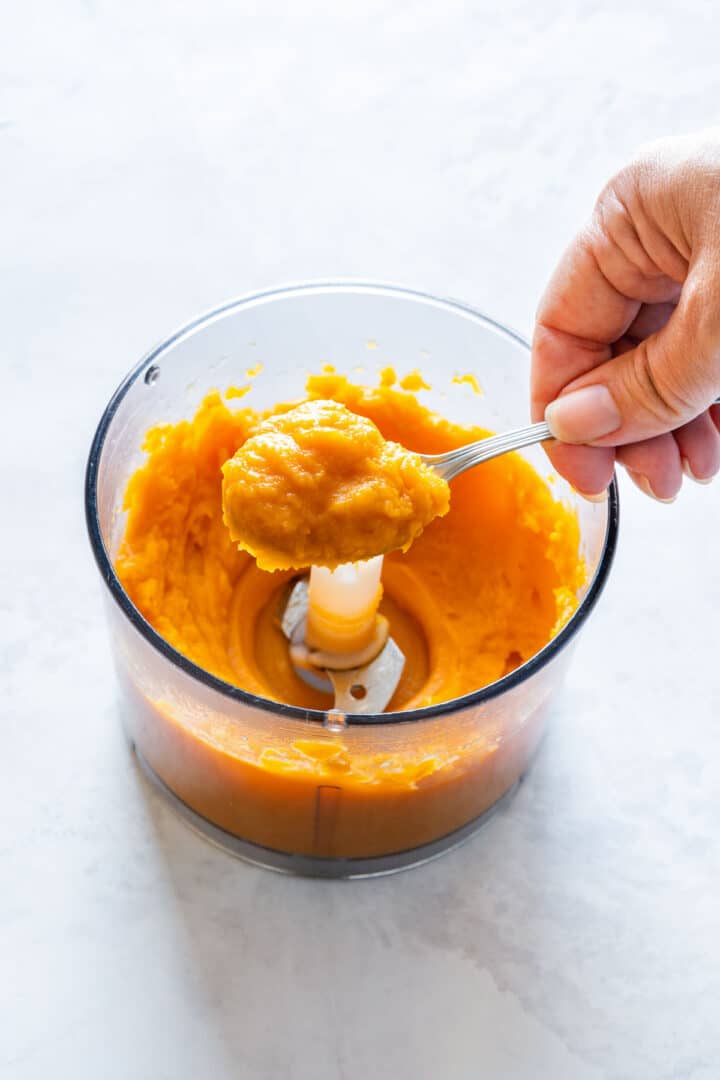
Drain it well, then purée until smooth. I prefer a food processor to a blender here. It usually does a good job processing a smaller amount.
Make sure the purée is smooth before adding it to the sauce. Any larger pieces will still be noticeable once everything is mixed with the macaroni.
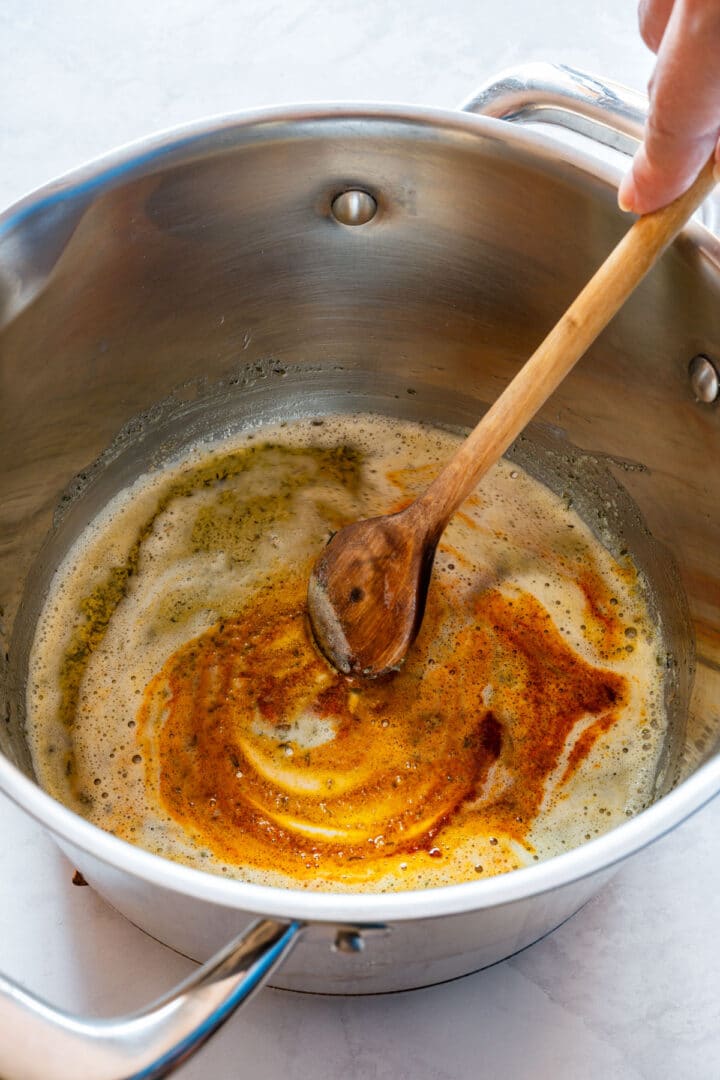
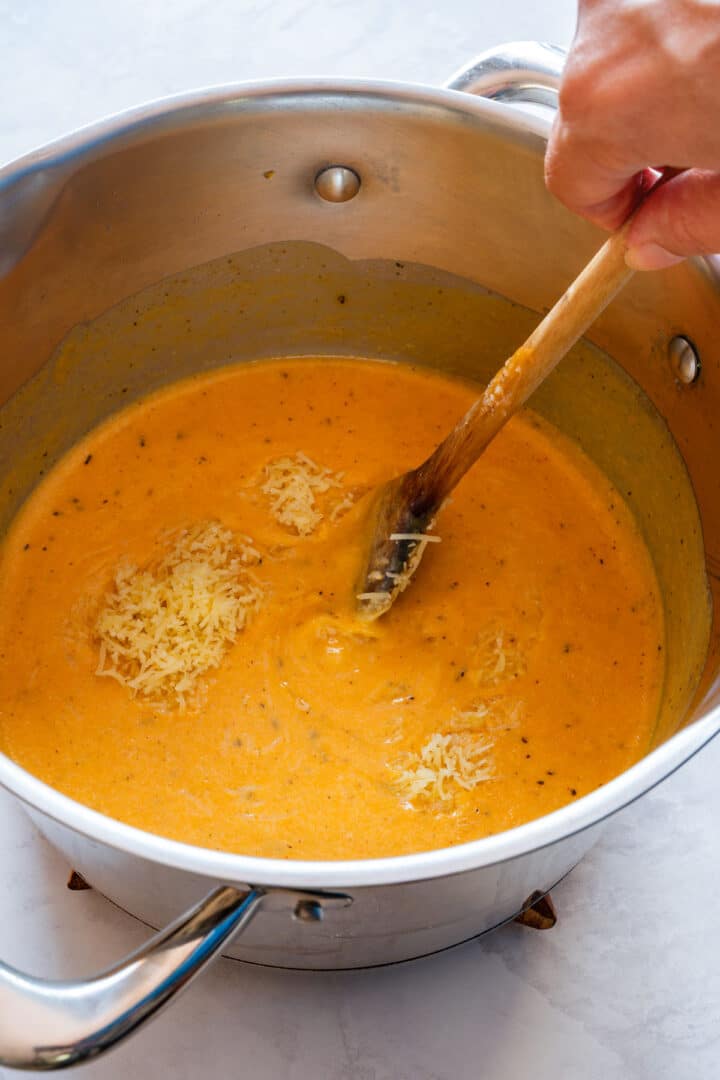
How to make sweet potato mac and cheese
Cook the macaroni according to the package instructions while the sweet potato is boiling.
Once the sweet potato is ready, use the same empty saucepan to melt the butter over low heat. Crush the thyme between your fingers and add it to the butter with the sage. Cook gently for 2 to 3 minutes, then stir in the paprika.
Add the sweet potato purée, milk, salt and black pepper. Stir until smooth and warmed through.
Turn off the heat before adding the grated cheddar. Stir it in gradually until completely melted.
Add the drained macaroni and mix until all the pasta is coated in the sauce. Serve right away.
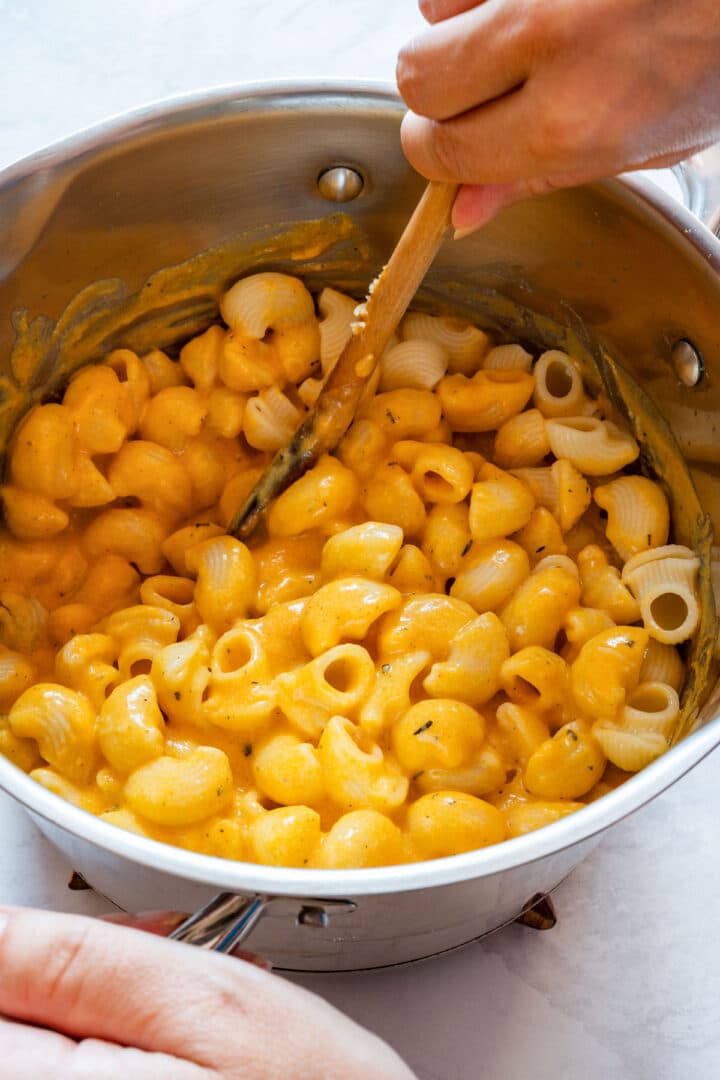
How to keep the cheese sauce smooth
High heat can cause cheese to turn grainy, so turn off the heat before adding the cheddar. The sweet potato mixture will already be hot enough to melt it.
For the smoothest sauce, grate the cheese yourself. Pre-shredded cheese contains anti-caking ingredients that can prevent it from melting as smoothly.
The amount of sweet potato purée matters as well. Measure the purée rather than adding everything you cooked. I use 1 cup, and considerably more will make the sauce thick and can make the macaroni feel pasty rather than creamy.
The sauce will naturally thicken a little as it cools. If it gets thicker than you like, stir in a small splash of milk. With butternut squash pasta sauce, the roasted squash is what gives the sauce its thickness.
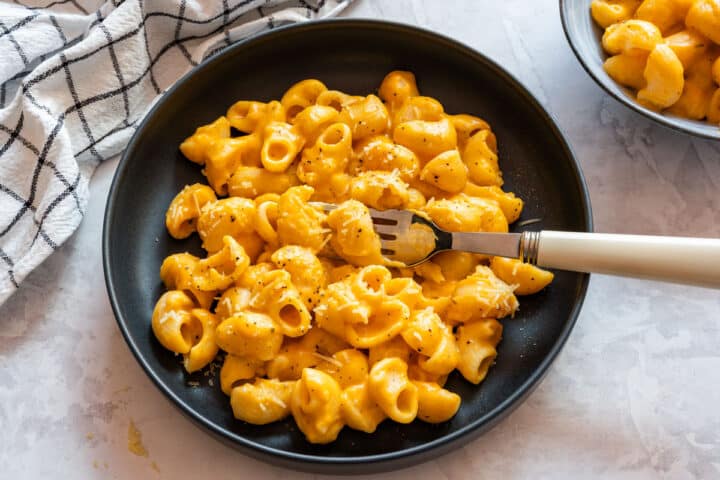
What to serve with sweet potato mac and cheese
I usually serve this as a side dish rather than a main. It works well with chicken, meatloaf, sausages or roasted vegetables, especially when you want something a little different from regular mac and cheese.
My BBQ meatloaf is a good option if you want to turn it into a more filling dinner.

Storing and reheating
Sweet potato mac and cheese is best served right away when the sauce is at its smoothest. Leftovers are still good and can be stored in an airtight container in the refrigerator for up to 3 days.
Reheat them gently in a saucepan or skillet over low heat. Add a small splash of milk and stir regularly until the macaroni is heated through and the sauce has loosened again.
I don’t recommend freezing sweet potato mac and cheese. The cheese sauce can separate and become grainy after thawing.

Sweet Potato Mac and Cheese
Ingredients
- 2 cups sweet potato peeled and diced
- 2 cups macaroni pasta
- 2 tablespoons salted butter
- ¼ teaspoon dried thyme
- ½ teaspoon dried sage
- 1 teaspoon paprika
- ½ teaspoon salt
- ⅛ teaspoon black pepper or to taste
- 1 cup milk
- 2 ounces grated cheddar
Instructions
- Bring a medium saucepan and a large pot of water to a boil. Add the diced sweet potato to the saucepan and the macaroni to the large pot.
- Cook the macaroni according to the package directions. Boil the sweet potato in just enough water for about 10 to 12 minutes, or until very tender.
- Drain the macaroni. Drain the sweet potato separately, then purée until smooth in a food processor. Measure out 1 cup.
- Melt the butter in the empty saucepan over low heat. Crush the thyme between your fingers, then add it to the butter with the sage. Cook gently for 2 to 3 minutes.
- Add the paprika and stir for about 30 seconds.
- Stir in 1 cup of sweet potato purée, the milk, salt and black pepper. Cook gently, stirring, until smooth and warmed through.
- Turn off the heat. Gradually stir in the grated cheddar until melted.
- Add the drained macaroni and stir until evenly coated.
- Serve right away.
Notes
- Regular paprika can be substituted with smoked paprika.
- The sauce thickens as it cools. If needed, loosen it with a small splash of milk. The same works when reheating leftovers.
- Store leftovers in an airtight container in the refrigerator for up to 3 days.
- I don’t recommend freezing this mac and cheese. The sauce can separate and become grainy after thawing.
- The sauce itself contains no flour. Use gluten-free macaroni if you need the entire dish to be gluten-free.
Nutrition
Nutrition information is an estimate provided by an online nutrition calculator and may vary based on ingredient brands, substitutions, and portion sizes.
Want more recipes like this one?
Tell Google you’d like to see more of our recipes.


I made this for a large family dinner last night. Everyone loved it, so I added extra cheese on top. It’s officially a favorite in our house.
That is so good to hear, Glenda. Thanks a lot for your feedback!